

A rubber column guard can reduce damage to columns, vehicles, walls, and nearby equipment from everyday contact and low-speed impacts. However, its effectiveness depends on correct product selection, positioning, and installation.
This guide explains how to prepare the installation area, position the guard, select a suitable fixing method, and avoid common installation mistakes.
What Is a Column Guard?
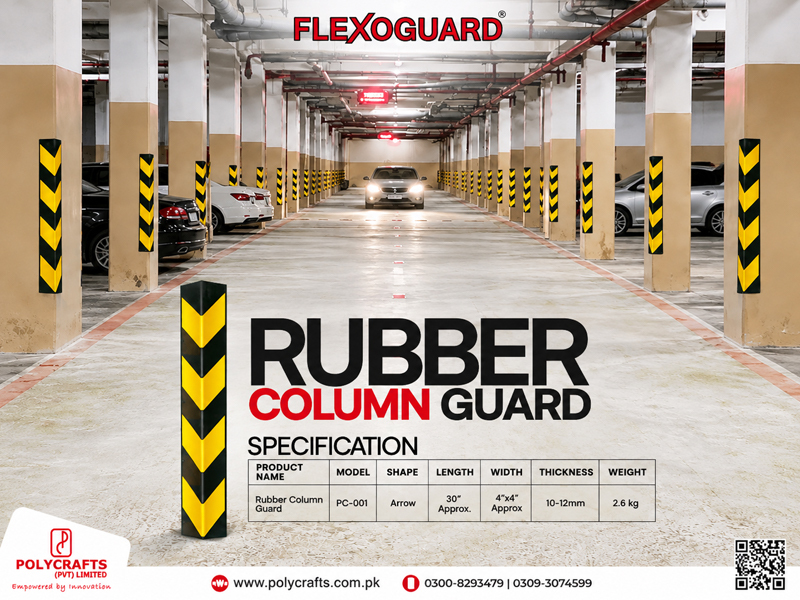
A column guard is a protective barrier installed around or on building columns and pillars to reduce damage from impacts and repeated contact.
A rubber column guard is commonly used in places such as:
- Parking areas
- Warehouses
- Factories
- Loading bays
- Commercial buildings
- Basements
- Shopping centers
- Industrial facilities
Its main purpose is to reduce surface damage from contact with vehicles, trolleys, carts, forklifts, and other moving equipment.
Depending on the location and traffic type, these guards may also protect wall surfaces and edges from repeated contact.

Steps to Follow When Installing a Column Protector
Step 1: Choose the Right Column Guard
Before installing, make sure the guard matches the column’s size and shape.
Measure the area carefully and check:
- Column width
- Column height
- Corner shape
- Installation surface
- Required protection height
A guard that is too small may leave important areas exposed. A guard that is too large may not sit properly against the surface.
Record the column dimensions and compare them with the product dimensions before ordering. Also check whether the guard is designed for a flat surface, corner, round column, or another column profile.
Step 2: Clean the Installation Surface
Clean the surface before installation.
Under Section 4(4)(f) of the Sindh Occupational Safety and Health Act, 2017, an employer’s duties include maintaining the workplace in a condition that is safe, clean, orderly, and without risks of injury to health, together with providing and maintaining safe means of access to and egress from the workplace.
Remove:
- Dust
- Dirt
- Loose paint
- Grease
- Moisture
- Construction debris
A clean surface makes installation easier and helps the guard sit evenly against the column or wall.
If adhesive is part of the approved installation method, the surface should also meet the adhesive manufacturer’s preparation requirements. Oil, moisture, loose coatings, and incompatible surface finishes can reduce adhesion.
Step 3: Mark the Correct Position
Place the column protector against the surface before drilling or fixing anything.
Section 4(2) of the Sindh Occupational Safety and Health Act, 2017 requires employers to use effective methods to identify existing and new workplace hazards systematically and regularly assess whether identified hazards are significant.
Check whether it is:
- Straight
- At the correct height
- Covering the main impact area
- Properly aligned with the corner
Use a marker to identify the fixing points.
In parking areas, position the protector around the actual contact zone, considering vehicle bumper height, door movement, trolley routes, turning points, and previous impact marks where applicable.
Step 4: Use Suitable Fixings
The correct fixing method depends on the product and the installation surface.
Some column guards may be installed using:
- Screws
- Wall plugs
- Anchor bolts
- Industrial adhesive
- A combination of mechanical fixing and adhesive
Always follow the recommended installation method for the specific product.
For concrete columns, proper drilling and suitable anchors can help keep the guard firmly in place.
Avoid weak screws or unsuitable fixing materials, as the protector may loosen after repeated impact.
Before drilling: Confirm that the proposed fixing locations do not conflict with reinforcement, electrical services, plumbing, post-tensioning systems, or other concealed building components. Obtain site or engineering approval where required.
Step 5: Install the Guard Securely
Once the fixing points are ready, place the guard in position and secure it carefully.
Tighten the fasteners enough to keep the guard stable, but avoid excessive force that could damage the rubber or deform the product.
After installation, check that the protector doesn’t move when you apply light pressure.
A loose guard may not provide reliable protection and can become a maintenance problem.
Step 6: Check Visibility
In parking areas and warehouses, visibility is also important.
Many guards include reflective strips or bright markings that help drivers identify columns and corners, especially in low-light areas.
Make sure reflective sections are clearly visible and are not blocked by equipment, signs, or other objects.
A wall guard or column guard can provide both impact protection and better visual guidance when positioned correctly.
Common Column Guard Installation Mistakes to Avoid
Even a suitable product may perform poorly if you make basic installation mistakes.
1. Installing without measuring: Do not estimate the dimensions of the column. Incorrect measurements can lead to poor coverage, improper positioning, or a guard that doesn’t fit the column profile properly.
2. Positioning the guard based only on appearance: The protector should cover the likely contact zone. A perfectly centered guard may still offer poor protection if vehicles or equipment regularly strike a different part of the column. Consider movement patterns before selecting the installation height.
3. Installing on a dirty or damaged surface: Dust, oil, loose paint, moisture, or deteriorated material can affect installation quality. Prepare the surface first.
4. Using unsuitable fixings: Weak screws, incorrect plugs, unsuitable anchors, or unapproved adhesive can result in a loose protector. Use the fixing system recommended for the product and substrate.
5. Drilling without checking the substrate: Do not drill into structural columns or walls without considering reinforcement, concealed services, and site restrictions. Where necessary, obtain approval for the fixing method before work begins.
6. Over-tightening fasteners: Tighter is not always better. Excessive force can deform the guard, damage the rubber around the fixing point, or create an uneven installation.
7. Installing the guard too high or too low: The main purpose of the protector is to cover the area most exposed to contact. Positioning it outside the likely impact zone reduces its usefulness.
8. Covering reflective sections: Do not paint over reflective material or cover it with stickers, labels, signage, or other items.
Why Correct Installation Matters
Installing a column guard is not only about appearance. Proper positioning and secure fixing can help improve protection and reduce repeated maintenance.
Under the Sindh Factories Act, 2015, floors, stairs, passages, and gangways in factories must be soundly constructed and properly maintained, with appropriate safety measures where required.
Section 41 does not specifically prescribe column guards. Its relevance here is broader: workplace access and circulation areas in factories are subject to safety and maintenance requirements, so protective products should be positioned without creating additional access or movement hazards.
Correct installation helps the guard remain in the intended position, cover the expected contact zone, and maintain any reflective or visibility features. Poor positioning or loose fixings can leave parts of the column exposed and may increase maintenance requirements.
However, column guards should not be treated as a substitute for structural safety barriers where heavy vehicle impact protection is required.
Our Rubber Column Guard Specifications:
| Model | Shape | Length | Width | Thickness |
| PC-001 | Arrow Shape | ~30″ | ~4″ × 4″ | 10–12 mm |
| PC-002 | D Shape | ~35″ | ~4″ × 4″ | 10–12 mm |
| PC-003 | W Shape | ~40″ | ~4″ × 4″ | 10–12 mm |
How Often Should Column Guards Be Inspected?
The inspection schedule depends on traffic and usage.
A busy warehouse or parking facility may require more frequent checks than a low-traffic building.
During inspection, look for:
- Loose screws
- Cracked or damaged rubber
- Missing reflective strips
- Movement from the original position
- Damage to the wall or column behind the guard
If a protector has experienced a heavy impact, check it even if there is no obvious visible damage.
Where Should Column Guards Be Installed?
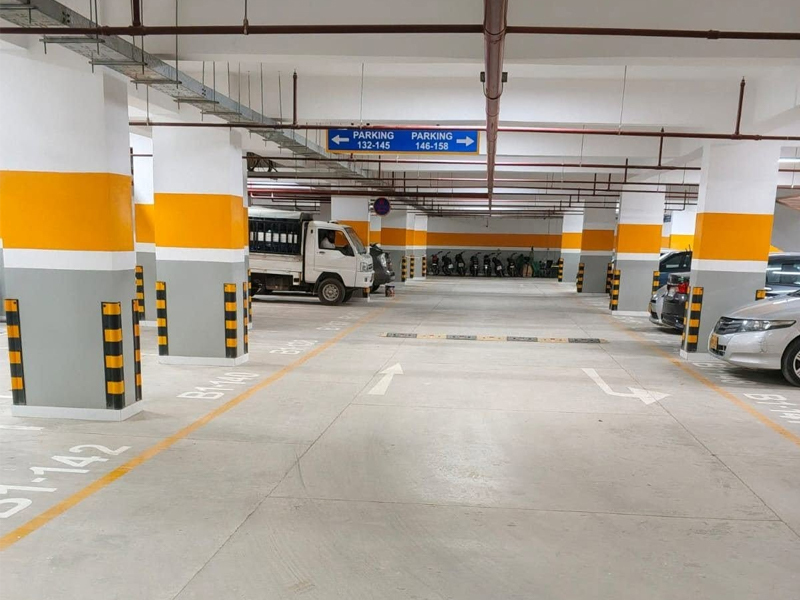
A column protector is most useful in places where columns are exposed to frequent vehicle or equipment movement.
Common locations include:
- Parking ramps
- Parking bays
- Building entrances
- Warehouse aisles
- Loading and unloading areas
- Factory floors
- Basement parking areas
- Corners near turning points
You can also install a wall guard along walls where trolleys, carts, vehicles, or equipment may cause scratches or impact damage.
Why Choose Polycrafts for Column Protection?
Polycrafts supplies rubber protection products for parking, commercial, warehouse, and industrial applications. Our team can help buyers assess product dimensions, column profiles, installation conditions, visibility requirements, and traffic conditions around the installation area.
Before choosing a column guard, customers can share column measurements and site information with our team to confirm whether the product suits the intended application.
For technical details, refer to the product dimensions, material information, installation recommendations, and other specifications provided for the selected Polycrafts column guard.
Wrapping It Up
A rubber column guard can protect columns, vehicles, and surrounding surfaces, but proper installation is essential.
Measure carefully, prepare the surface, use suitable fixing materials, and inspect the final installation. At the same time, avoid shortcuts such as incorrect drilling, weak fasteners, or poor positioning.
Polycrafts offers protective solutions such as column protector and wall guard for parking, commercial, and industrial environments. Before installation, always confirm the product specifications and fixing requirements for your particular site.
Proper product selection and careful installation can help create a safer, cleaner, and better-protected space.
Need help selecting the right column guard?
Contact Polycrafts to discuss your site measurements, traffic conditions, and protection requirements.
Frequently Asked Questions
Can a Rubber Column Guard Prevent Structural Damage?
It can help reduce minor impact damage, but it is not a structural crash-protection system.
Can I Drill Into a Reinforced Concrete Column?
Only after confirming the fixing location is safe, as reinforcement or concealed services may be present.
What Is the Best Fixing Method?
It depends on the guard, surface, and site conditions. Follow the manufacturer’s installation guidance.
Should a Column Guard Be Replaced After an Impact?
Inspect it after a significant impact and replace it if the guard, fixings, or reflective elements are damaged.
Editorial Disclaimer: This article provides general product-selection and installation information and is not a structural engineering specification. Installation requirements vary by product, substrate, building construction, traffic conditions, and site risk.
References
1. Government of Sindh, Law, Parliamentary Affairs & Criminal Prosecution Department. Sindh Occupational Safety and Health Act, 2017 (Sindh Act No. I of 2018), Section 4(2).
2. Government of Sindh, Law, Parliamentary Affairs & Criminal Prosecution Department. Sindh Occupational Safety and Health Act, 2017, Section 4(4)(f).
3. Government of Sindh. Sindh Factories Act, 2015 (Sindh Act No. XIII of 2016), Section 41.