

Road safety becomes much more challenging after sunset. Lane markings can become harder to see, rain can reduce visibility, and dark roads can make even familiar routes feel confusing. This is where cat eyes road studs come into the picture.
Two common options are solar road studs and reflective road studs. Both help drivers identify lanes, road edges, curves, and other important areas, but they work differently.
So, which one is better? And more importantly, which one is right for your road project? Let’s make the comparison simple.
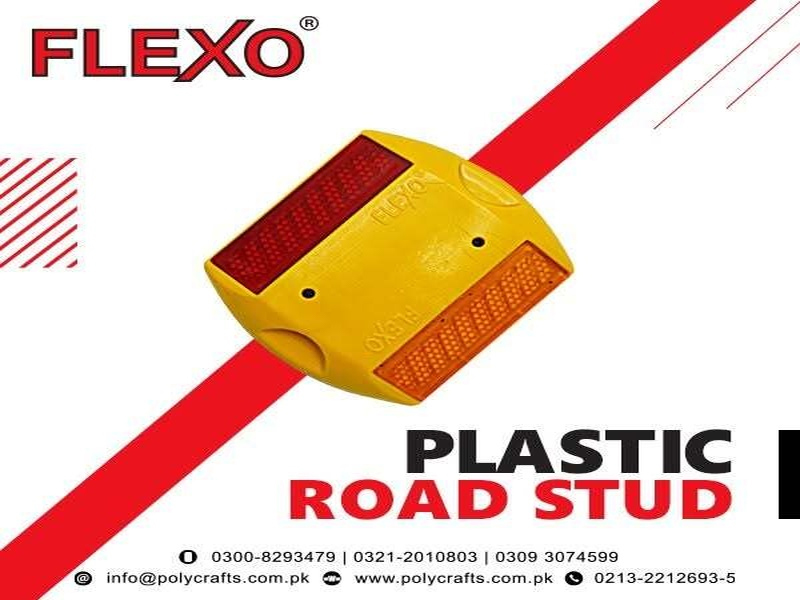
What Are Road Studs and Why Do Roads Need Them?
Road studs are small road-safety devices installed on or into the road surface. Drivers often call them cat eyes road studs because many designs resemble small glowing eyes when illuminated at night.
Their main job is simple: improve road visibility and guide drivers.
They are commonly installed on highways, city roads, bridges, tunnels, sharp curves, intersections, parking areas, and other locations where clear road guidance is important.
Think of road studs as tiny road assistants. They don’t shout directions or complain about your driving. They simply help you follow the road more clearly.
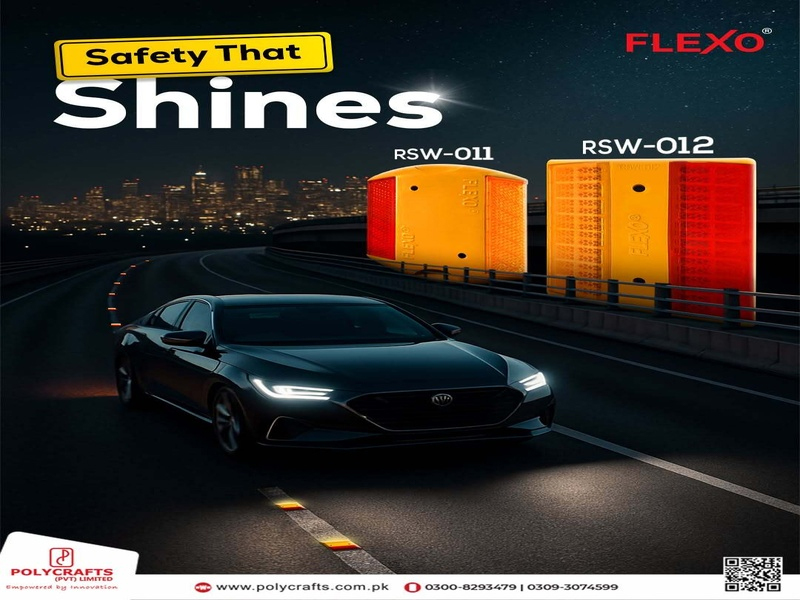
What Are Reflective Road Studs?
Reflective road studs are passive road-safety devices. This means they don’t generate their own light.
Instead, they contain reflective materials designed to return light from vehicle headlights toward the driver. When headlights hit the reflector, the road stud appears bright, making lanes, boundaries, and curves easier to identify.
Some key features of reflective road studs include:
- No electrical power required
- No battery or solar panel
- Simple construction
- Good visibility when illuminated by headlights
- Relatively straightforward installation
- Suitable for many road-marking applications
- Generally lower initial cost than solar models
From a project-selection perspective, their simpler construction can be particularly useful where large quantities of road studs are required, and active illumination is not necessary.
How Do Solar Road Studs Work?
Solar road studs take a different approach. Instead of depending entirely on vehicle headlights, they use built-in LEDs to produce visible light.
During the day, a small solar panel collects energy from sunlight and stores it in an internal battery or energy-storage component. When surrounding light levels fall, the LEDs can activate automatically.
In simple terms:
Reflective stud: “Shine your headlights on me.”
Solar stud: “It’s okay. I brought my own light.”
Solar road studs typically include:
- A built-in solar panel
- LED lights
- An internal battery or energy-storage system
- Light-sensitive automatic operation
- A strong outer housing designed for road environments
Because they generate light, solar road studs can provide noticeable guidance even before a vehicle’s headlights directly reach them. Actual performance, however, depends on factors such as solar exposure, battery condition, LED output, product design, installation, and environmental conditions.
Solar vs. Reflective Road Studs: What’s the Main Difference?
Although both products improve road visibility, their technologies and applications differ.
Here’s a quick comparison:
| Feature | Solar Road Studs | Reflective Road Studs |
| Light Source | Built-in LEDs | Reflect headlights |
| Power Source | Solar energy | No power needed |
| Night Visibility | Active illumination | Relies on vehicle headlights |
| Initial Cost | Higher | Lower |
| Electronics | Yes | No |
| Maintenance | Check battery, LEDs, solar surface & housing | Check reflector & housing |
| Best Suited For | Dark/high-risk areas needing stronger guidance | Standard lane & road-edge marking |
The “better” option depends on where and why the road studs are being installed.
Are Solar Road Studs More Visible at Night?
Generally, solar road studs offer greater nighttime visibility because their LEDs emit light rather than simply reflect it.
This can make them useful for locations such as:
- Sharp bends
- Dark road sections
- Bridges
- Dangerous intersections
- Traffic islands
- Pedestrian areas
- Road entrances and exits
- Locations with limited street lighting
Reflective studs, meanwhile, become highly noticeable when vehicle headlights illuminate them.
Reflector quality, installation angle, cleanliness, road conditions, and headlight direction can all affect the performance of reflective road studs.
And yes, installation matters. Even a great road stud won’t be very helpful if it’s installed facing the wrong direction. That’s basically giving drivers a tiny, very expensive decoration.
Which Type of Road Stud Is More Affordable?
Reflective road studs generally have a lower initial cost because their design is simpler. They don’t require solar panels, LEDs, batteries, or electronic components.
Solar road studs usually cost more initially due to their additional technology.
However, procurement decisions should be based on suitability and lifecycle requirements, not unit price alone. Consider:
- Initial product cost
- Installation requirements
- Expected service life
- Traffic volume
- Maintenance requirements
- Weather exposure
- Required nighttime visibility
- Replacement frequency
- Overall lifecycle cost
The cheapest road stud isn’t necessarily the most cost-effective choice if it needs frequent repairs or replacement.
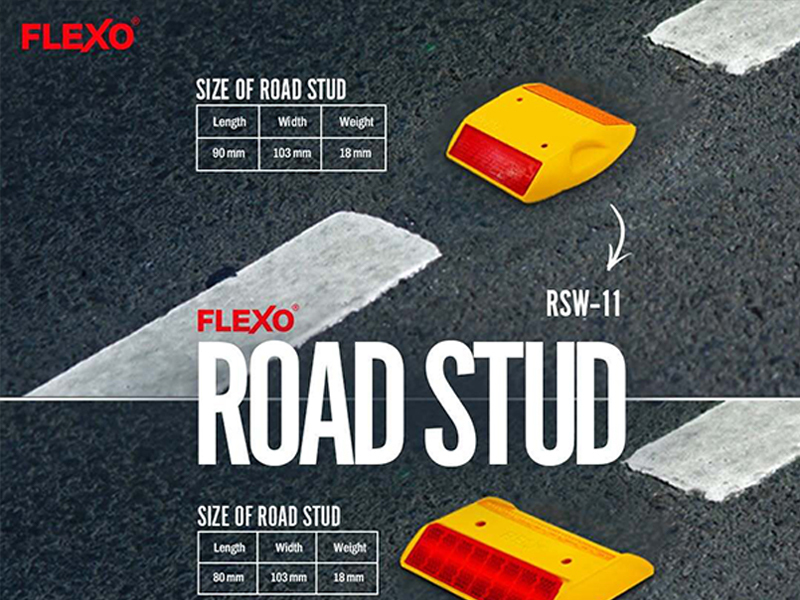
Polycrafts Plastic Road Stud Dimensions
For the Polycrafts plastic road stud referenced here, the dimensions are:
| Specification | Details |
| Length | 80 & 90 mm |
| Width | 103 mm |
| Height | 18 mm |
| Standards | ASTM D4280 & EN 1463-1 |
| Ingress Protection | IP68 |
The product specification identifies ASTM D4280 and EN 1463-1 as applicable standards, and specifies an IP68 ingress protection rating. Buyers should verify the relevant test documentation, certificates, and exact model specifications when these are required for tender or project approval.
This is particularly important because road-stud specifications can vary by model, material, installation method, and intended application.
Do Solar Road Studs Need Maintenance?
Yes. Solar road studs are designed for outdoor use, but they are not magically maintenance-free.
Dust, mud, standing water, heavy traffic, extreme temperatures, and physical impact can affect performance over time. Solar panels may also require sufficient sunlight exposure to charge effectively.
Reflective studs have fewer electronic components, but their reflective surfaces can still become dirty, damaged, scratched, or worn.
Regular inspection is therefore important for both types.
Road safety equipment works best when it is treated as infrastructure rather than a “fit it and forget it” purchase.
Where Reflective Road Studs Should Be Used?
Reflective road studs can be a practical solution for standard road-marking applications where vehicle headlights provide sufficient illumination.
Common applications include:
- Highways and major roads
- Urban streets
- Lane separation
- Road shoulders
- Parking facilities
- Medians
- Roundabouts
- Intersections
They can be especially useful for large projects that require a simple and economical road-guidance solution.
Why Does Road Stud Quality Matter?
Road studs live a tough life.
They must withstand vehicle loads, vibration, heat, rain, dust, dirt, standing water, and continuous exposure to the elements.
That’s why product quality matters.
When purchasing road studs, buyers should consider:
- Material and construction quality
- Load resistance
- Reflective or LED performance
- Weather resistance
- Installation requirements
- Suitability for the intended road
- Expected service life
Working with an experienced road studs manufacturer in Pakistan can also help project planners select products that meet local road, traffic, and environmental requirements.
Why Choose Polycrafts for Road Studs?
Polycrafts supplies road safety products for different traffic, road, and project requirements in Pakistan. Rather than treating every application the same, road-stud selection should consider factors such as road type, traffic conditions, visibility requirements, installation environment, and project specifications.
For projects requiring documented specifications, buyers can request technical information for the particular Polycrafts road stud model under consideration.
Choosing the right road stud isn’t about picking the fanciest option; it’s about finding the right solution for the road.
Closing Thoughts
Solar and reflective road studs both improve road visibility and safety. The right choice depends on your road conditions, traffic, location, and project needs.
Polycrafts provides product specifications and technical documentation for its road studs, including applicable standards and ingress-protection information.
Need road studs for your next project? Contact Polycrafts today to discuss your requirements and find the right road safety solution for your project.
Frequently Asked Questions
What are cat eyes road studs?
Cat eyes road studs are road markers designed to improve lane and road-edge visibility, especially at night and in low-light conditions.
Are solar road studs better than reflective road Studs?
It depends on the application. Solar studs provide active LED illumination, while reflective road studs rely on vehicle headlights.
What documents should I request before purchasing road studs?
Request the product datasheet, relevant test reports, certificates where applicable, installation instructions, warranty information, and documentation supporting claimed standards and performance ratings.
What does IP68 mean for a road stud?
IP68 is an ingress-protection rating indicating a high level of protection against dust and water ingress under specified test conditions.
How should road studs be inspected after installation?
Check studs regularly for damage, loosening, dirt buildup, reflector condition, and visibility. For solar models, also inspect the solar panel, LEDs, and nighttime operation.