

Imagine you’re driving through your neighborhood, enjoying your day, when suddenly, THUMP! Your car jolts over a speed bump that feels more like a small mountain. Your coffee spills, your belongings slide off the seat, and you’re left wondering what just happened.
The problem may not be your car or your driving. In many cases, the real issue is a poorly installed speed bump.
Speed bumps are designed to improve road safety and control traffic speeds. However, when they are installed incorrectly, they can create inconvenience, damage vehicles, and even introduce new safety risks. a parking facility, a school zone, or a commercial property, understanding common installation mistakes can help you avoid costly problems.
In this article, you’ll learn the most common speed bump installation mistakes and how to avoid them to create safer roads, smoother traffic flow, and a better experience for everyone.
Why Proper Speed Bump Installation Matters
According to internationally recognized traffic-calming guidelines from transportation authorities such as the Federal Highway Administration (FHWA) and the Institute of Transportation Engineers (ITE), speed control devices must be carefully designed and positioned to reduce vehicle speeds without creating unnecessary risks for motorists, cyclists, or pedestrians. Proper installation, visibility, and maintenance are essential to achieving long-term safety benefits.
Speed bumps are an important part of modern road safety equipment. Their primary purpose is to reduce vehicle speeds in areas where pedestrian safety, traffic control, and accident prevention are priorities.
When installed correctly, they help:
- Slow down speeding vehicles
- Improve pedestrian safety
- Reduce accident risks
- Improve traffic flow
- Increase driver awareness
However, when installed incorrectly, they can create frustration, damage vehicles, and reduce their effectiveness.
Lessons Learned from Real Installations
Road safety professionals have found that many speed bump failures are not caused by the product itself but by installation mistakes. Poor placement, inadequate anchoring, missing signage, and drainage issues are among the most common problems. These mistakes can reduce effectiveness, increase maintenance costs, and create safety risks for both drivers and pedestrians.
Let’s look at the most common mistakes.
Mistake #1: Choosing the Wrong Type
One of the biggest mistakes is assuming all speed control products are the same.
Many people use the terms speed breaker, road speed hump, and speed bump interchangeably, but they serve different purposes.
- Speed bumps are shorter and more aggressive.
- Road speed humps are longer and smoother.
- Speed breakers may vary depending on road requirements.
Installing a steep speed bump on a busy road can create unnecessary traffic problems. Similarly, using a gentle road hump in an area where vehicles regularly speed may not achieve the desired results.
Always choose the product based on traffic volume, speed limits, and road usage.
Mistake #2: Poor Location Selection
Even a high-quality speed bump can fail if it is installed in the wrong place.
Common location mistakes include:
- Installing near sharp turns
- Placing bumps immediately after intersections
- Positioning them on steep slopes
- Installing them where visibility is poor
Drivers need enough time to see and react to a speed control device safely.
A speed bump should be clearly visible and placed where drivers can slow down gradually without sudden braking.
Mistake #3: Ignoring Road Safety Standards
A speed bump should do more than slow traffic; it should also enhance overall road safety.
A properly designed speed bump should have:
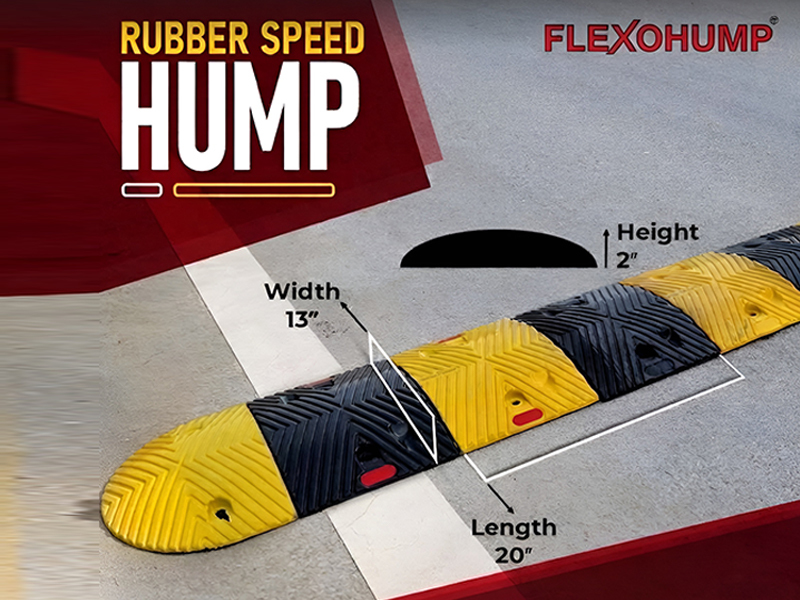
- Appropriate height
- Correct width
- Smooth transitions
- Clear visibility
An overly high bump may damage vehicles, while one that is too low may have little effect on speeding.
When installing road safety equipment, following recognized safety guidelines helps ensure the solution works effectively for both drivers and pedestrians.
Mistake #4: Using Low-Quality Materials
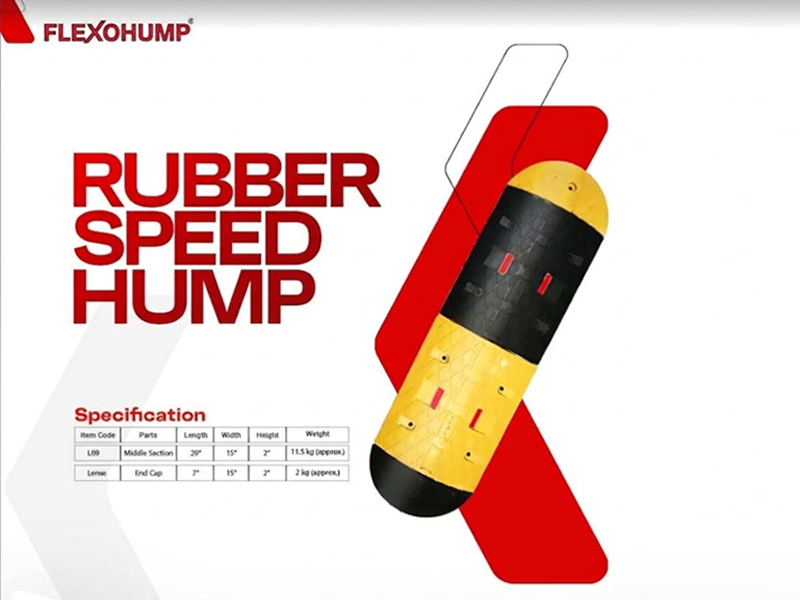
High-quality rubber speed bumps have become a preferred solution in many commercial and residential environments because they offer excellent durability, weather resistance, impact absorption, and ease of installation. Compared with poorly constructed alternatives, premium rubber products often require less maintenance and provide more consistent performance under varying traffic and environmental conditions.
Mistake #5: Skipping Proper Anchoring
A speed bump that moves is not functioning as intended; it becomes a safety hazard.
Improper anchoring is a common issue that can lead to:
- Loose sections
- Uneven surfaces
- Safety hazards
- Faster wear and tear
Every speed bump should be securely fastened according to the road surface and expected traffic load.
Proper anchoring ensures the installation remains stable and effective for years.
Mistake #6: Not Installing Warning Signs
A speed bump without a warning sign is like hiding a banana peel in a cartoon; someone is eventually going to be surprised.
Warning signs help drivers prepare in advance and reduce sudden braking.
Proper signage should be placed before the speed bump and remain visible from an appropriate distance.
Combining speed bumps with warning signs creates a safer and more predictable driving environment.
Mistake #7: Ignoring Drainage Considerations
Proper drainage is just as important as proper installation when it comes to road safety equipment.
Installing a speed bump without considering drainage can cause water to collect around it.
This may lead to:
- Road damage
- Surface deterioration
- Reduced visibility
- Increased maintenance needs
Before installation, evaluate how rainwater flows across the road and ensure drainage pathways remain functional.
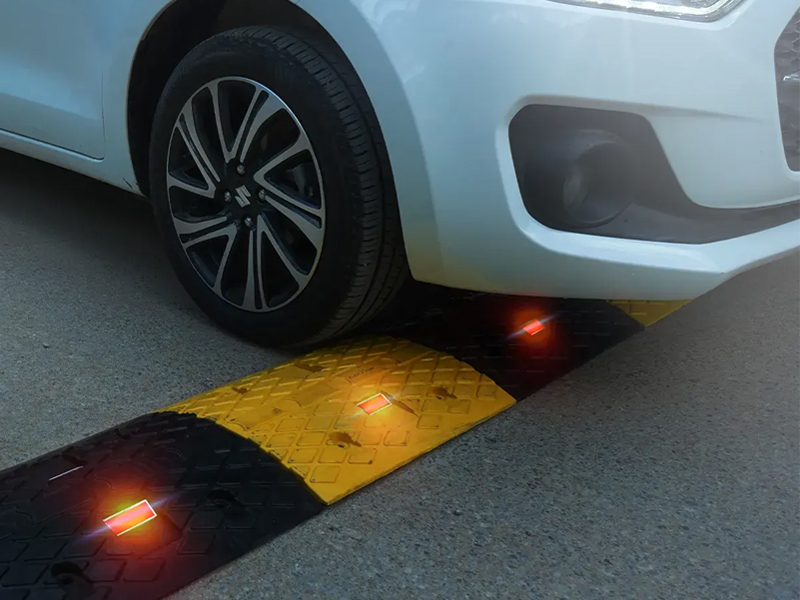
Mistake #8: Forgetting Reflective Markings
Drivers cannot avoid what they cannot see.
One common mistake is installing speed bumps without reflective markings or visibility enhancements.
This becomes especially problematic:
- At night
- During rain
- In foggy conditions
- In poorly lit parking areas
Reflective strips and bright colors help drivers identify the bump from a safe distance.
For speed humps in Pakistan, visibility is particularly important because lighting conditions can vary significantly between locations.
Mistake #9: Installing Too Many Speed Bumps
Sometimes people think more speed bumps automatically mean more safety.
Not necessarily.
Excessive speed bumps can:
- Frustrate drivers
- Slow emergency vehicles
- Increase vehicle wear
- Create unnecessary traffic congestion
The goal is controlled traffic flow, not turning every road into an obstacle course.
Strategic placement is usually far more effective than excessive installation.
Mistake #10: Neglecting Future Maintenance
Even the best-installed speed bump requires occasional inspection.
Over time, traffic, weather, and environmental conditions can affect performance.
Regular maintenance checks should include:
- Anchor inspections
- Reflective strip condition
- Surface wear assessment
- Sign visibility checks
Routine maintenance helps ensure the speed bump continues providing safe and effective traffic control.
Compliance Matters
Before installing any speed bump, organizations should review applicable local regulations, municipal requirements, and road safety standards. Compliance helps ensure that traffic-calming measures improve safety while maintaining accessibility for emergency services, public transportation, and everyday road users.
Best Practices for Installing Speed Bumps
To maximize effectiveness and safety:
- Select the right type of speed bump.
- Use high-quality rubber speed bumps when appropriate.
- Follow proper dimensions and safety standards.
- Install in highly visible locations.
- Add warning signs and reflective markings.
- Ensure secure anchoring.
- Consider drainage requirements.
- Conduct regular maintenance inspections.
Following these steps can significantly improve safety while minimizing driver complaints and maintenance issues.
Why Choose Polycrafts for Road Safety?
With experience in manufacturing road safety equipment for residential, commercial, and industrial applications, Polycrafts focuses on providing durable solutions that support safer traffic environments. Polycrafts has supplied road safety products for residential communities, commercial facilities, and industrial sites across Pakistan. Quality products and dependable performance have helped make Polycrafts a trusted choice for road safety needs.
Conclusion
Speed bumps may seem simple, but successful installation requires careful planning and attention to detail. From choosing the right speed breaker or road speed hump to ensuring proper visibility and maintenance, every step plays an important role in road safety.
Avoiding common installation mistakes helps create safer roads, smoother traffic flow, and better driving experiences for everyone. Whether you’re managing a residential community, commercial facility, school zone, or public roadway, investing in properly installed road safety equipment is always a smart decision.
After all, the goal of a speed bump is to slow vehicles down, not launch coffee cups into the air.
Ready to slow down traffic and improve safety? Let Polycrafts help you choose the right road safety products for your specific needs.
Frequently Asked Questions
What is the difference between a speed bump and a speed hump?
A speed bump is shorter and slows vehicles more aggressively, while a speed hump is longer and provides a smoother speed reduction.
Are rubber speed bumps durable?
Yes, high-quality rubber speed bumps are durable, weather-resistant, and require minimal maintenance.
Where should speed bumps not be installed?
Avoid installing speed bumps near sharp turns, steep slopes, poor-visibility areas, and locations with drainage issues.
How often should speed bumps be inspected?
Speed bumps should be inspected regularly for anchoring, wear, visibility, and signage condition.
Why are reflective markings important?
Reflective markings improve visibility in low-light conditions, helping drivers identify speed bumps safely.