


Ever driven over a bridge and felt that little “thak-thak” sound under your car tyres? No, your car isn’t complaining about fuel prices again. That small movement often comes from an expansion joint in a bridge structure, one of the most important yet overlooked parts of modern bridge construction.
Without proper bridge expansion joints, cracks, damage, and safety risks can develop over time. That’s why expansion joints play a huge role in keeping bridges safe, durable, and functional for years.
Let’s understand why these small components play such an important role in modern infrastructure and how Polycrafts contributes to reliable bridge construction solutions.
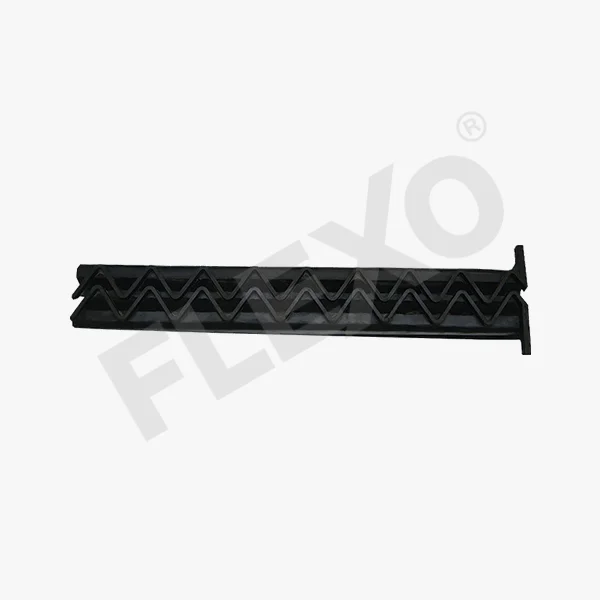
What Is an Expansion Joint in Bridge Construction?
An expansion joint is a specifically designed gap placed between sections of a bridge. It allows the structure to move naturally without causing stress or cracks.
Think of it like this:
On hot days, bridges slightly expand. During cold weather, they shrink. Heavy vehicles also create pressure and vibration. If the bridge had no flexible space to handle this movement, the concrete could crack faster than a biscuit left too long in hot chai.
That’s where expansion joints for bridges become essential. They absorb movement and protect the bridge structure from damage.
Why Do Bridges Need Expansion Joints?
Many people assume bridges are completely fixed structures. In reality, bridges are constantly under pressure from temperature changes, traffic loads, wind movements, earthquakes, material shrinkage, and vibrations from heavy vehicles.
Without bridge expansion joints, these forces can slowly weaken the bridge.
Here’s what expansion joints help with:
- Prevent structural cracks
- Reduce stress on concrete and steel
- Improve driving comfort
- Extend bridge lifespan
- Protect against water seepage
- Enhance overall road safety
In short, they help bridges survive daily stress without falling apart.

How Do Expansion Joints Improve Road Safety?
When people hear “road safety equipment”, they usually think about barriers, reflectors, and traffic signs.
But expansion joints are also an important part of road safety.
Damage or poorly designed joints can create problems such as:
- Uneven road surfaces
- Dangerous vibrations
- Vehicle instability
- Water leakage into bridge structures
Imagine driving at a high speed and suddenly hitting a damaged bridge surface. Not exactly the kind of surprise drivers enjoy.
Properly installed expansion joints for bridges ensure smoother, safer vehicle travel. They reduce sudden bumps and maintain road alignment, improving driving comfort and minimizing accident risk.
What Risks Do Bridges Face Without Expansion Joints?
Honestly, removing expansion joints from bridges would be like wearing jeans two sizes smaller after a wedding buffet. Something is definitely going to crack under pressure.
Without expansion joints, bridges may face:
1. Surface cracking:
Without space to move, concrete starts cracking under pressure. These cracks grow larger with traffic and weather changes, making the bridge surface uneven and unsafe.
2. Structural weakening:
Lack of proper bridge expansion joints traps stress inside the bridge, weakening concrete slabs, steel beams, and support sections. Over time, this reduces the bridge’s strength and durability.
3. Water damage and corrosion:
Cracks allow water to seep into the structure, leading to rust and corrosion of steel components. This hidden damage can seriously affect the bridge’s safety and lifespan.
4. Higher maintenance costs:
Without proper expansion joints for bridges, maintenance and repair costs can increase significantly. Small cracks can quickly turn into major structural issues that require extensive maintenance.
5. Reduced lifespan:
Continuous stress and damage shorten the bridge’s lifespan. A structure designed to last decades may need repairs much earlier without proper joint systems.
This is why expansion joints are a crucial part of modern bridge construction and essential road safety equipment.
Why Material Quality Matters
An expansion joint may seem like a small component, but poor-quality materials can create major problems later.
Good expansion joints should offer:
- Weather resistance
- High durability
- Load-bearing strength
- Corrosion resistance
- Flexibility under pressure
Low-quality joints can fail quickly, especially in areas with extreme weather or heavy traffic conditions.
That’s why experienced manufacturers and infrastructure suppliers play an important role in bridge durability. At Polycrafts, quality and durability are always priorities because infrastructure products are not just materials; they are part of public safety.
How Modern Bridge Construction Is Evolving
Today’s infrastructure projects demand smarter and longer-lasting solutions.
Modern bridges are designed to:
- Handle higher traffic loads
- Resist environmental stress
- Minimize maintenance costs
- Improve public safety
- Support long-term urban development
As cities grow and transportation networks expand, reliable road safety equipment and bridge components become more critical than ever.
Expansion joints are now designed using advanced engineering techniques to improve flexibility, shock absorption, water resistance, and structural performance.
Simply put, modern bridges are designed to last longer and reduce the need for expensive repairs.
Challenges Faced by Bridge Expansion Joints
Even though they are designed to handle pressure, expansion joints still face several challenges over time.
- Heavy traffic: Continuous traffic can cause stress and wear on joints.
- Extreme Weather: Heat, rain, dust, and freezing temperatures affect joint performance.
- Water Damage: Poor drainage can allow water to enter bridge structures, causing corrosion and weakening materials.
- Lack of Maintenance: Ignoring regular inspections can turn small issues into major repair problems.
This is why routine maintenance is critical for keeping expansion joints for bridges functioning properly.
What Should Engineers and Contractors Look For?
Before selecting an expansion joint, professionals should evaluate:
- Movement capacity: The joint must safely handle the expected bridge movement.
- Durability: Long-lasting materials reduce maintenance needs.
- Water tightness: Proper sealing prevents moisture damage.
- Load resistance: The system should withstand continuous heavy traffic.
- Easy maintenance: Efficient designs simplify inspections and repairs.
Reliable infrastructure starts with reliable components.
Why Polycrafts Understands Modern Infrastructure Needs
Polycrafts understands the growing demand for reliable infrastructure and road safety solutions. In modern bridge construction, quality materials and engineering precision are essential for:
- Safer roads
- Stronger structures
- Better long-term performance
As infrastructure projects continue expanding across cities and highways, the role of durable expansion joints for bridges becomes even more important.
Because in the end, bridges are not just concrete structures; they connect people, businesses, and entire communities safely every single day.
Closing Thought
Expansion joints may not be the most visible part of the bridge, but they are definitely among the most important.
From handling temperature changes to improving road safety and reducing maintenance costs, these small components make a massive difference in modern infrastructure.
As bridge construction continues evolving, investing in high-quality bridge expansion joints is no longer optional; it’s essential.
Contact Polycrafts today to explore dependable bridge construction solutions built for strength, safety, and lasting performance.
Frequently Asked Questions
1. What is an expansion joint in bridge construction?
It is a flexible gap that allows bridges to expand and contract safely.
2. Why are bridge expansion joints important?
They help prevent cracks, structural damage, and uneven road surfaces.
3. What happens if expansion joints are damaged?
Damaged joints can cause water leakage, vibrations, and costly repairs.
4. How do expansion joints improve road safety?
They provide smoother and safer driving conditions on bridges.
5. Where are expansion joints commonly used?
They are used in bridges, flyovers, highways, and large infrastructure projects.