

Have you ever been driving and suddenly felt your car slightly shake while making a “brrr” sound under the tires? For a moment, it might surprise you, and you instantly pay closer attention to the road.
If you’ve experienced this, you’ve driven over rumble strips.
But have you ever wondered what those strips are really for? Why do roads use them, and how can something so simple improve safety?
At first glance, rumble strips may look like ordinary raised road elements, but in reality, they are one of the most effective traffic calming and driver alert systems used worldwide.
What Are Rubber Rumble Strips?
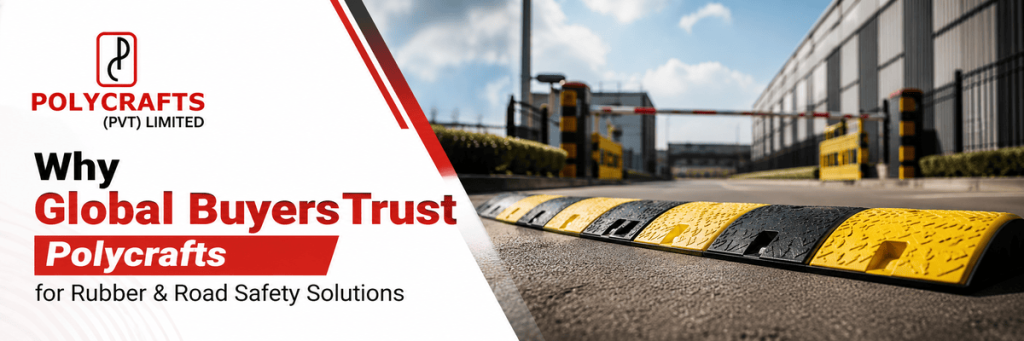
Rubber rumble strips are raised traffic safety devices made from durable recycled or synthetic rubber, installed across or along road lanes.
When a vehicle drives over them, two things happen:
- A small vibration is felt in the car.
- A rumbling noise is heard.
That combination quickly grabs the driver’s attention.
It’s basically the road’s way of saying: “Hey! Reduce your speed and stay focused.”
The best part? Rubber rumble strips are easy to install, durable, and much more flexible than traditional concrete rumble strips.

Why Are Rumble Strips So Important?
You might think they are just bumps on the road, but they actually play a big role in preventing accidents.
Let’s look at how they help drivers stay safe.
1. They Wake Up Distracted Drivers
Driver distraction is a major global issue. According to the World Health Organization (WHO), human error contributes to over 90% of road traffic accidents.
But the moment a car runs over rumble strips, the vibration and sound instantly bring the driver’s attention back to the road.
2. They Help Reduce Speed
Certain areas require slower driving. Think about places like:
- Schools
- Hospitals
- Residential roads
- Parking areas
Research from the Federal Highway Administration (FHWA) shows that rumble strips can greatly reduce vehicle speeds in high-risk zones.
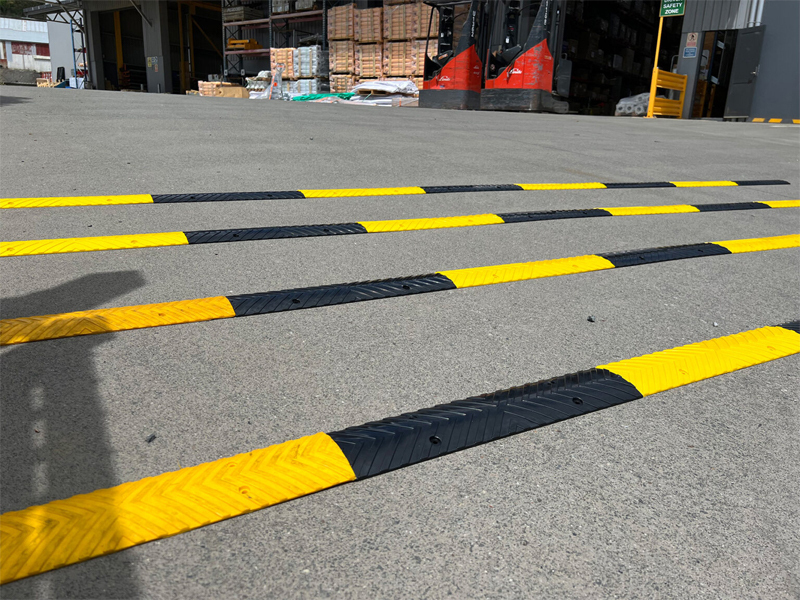
Many roads also use the yellow rumble strips, which are bright and easy to spot from a distance. The color itself acts as an early warning.
So before drivers even reach the strips, they’re already easing off the accelerator.
3. They Keep Drivers In Their Lane
Lane departure is one of the leading causes of serious road accidents, particularly on highways.
According to safety data from the Federal Highway Administration (FHWA):
- Centerline rumble strips can reduce head-on collisions by up to 44%.
- Shoulder rumble strips can reduce run-off-road crashes by 20–50%.
On highways, rumble strips are typically installed along lane edges or centerlines. When a vehicle begins to drift out of its lane, the tires pass over the strips, producing a noticeable vibration and sound.
This immediate feedback alerts the driver, allowing them to correct their position before a potentially serious accident occurs. As a result, rumble strips are widely recognized as an effective solution for reducing lane departure crashes.
4. They Make Intersections Safer
Intersections can be risky, especially in areas with heavy traffic.
Rumble strips placed before intersections give drivers a heads-up to slow down and prepare for traffic signals or oncoming vehicles.
The vibration reminds drivers to stay cautious before entering the crossing.
5. They Improve Safety in Bad Weather
Rain, fog, or low visibility can make it harder for drivers to see road signs or lane markings.
Rumble strips provide a physical warning that drivers can feel through the steering wheel and tires, even when visibility is poor.
This means drivers don’t have to rely only on their eyes. The vibration and sound act as an extra layer of safety when road conditions are difficult.
Technical Advantages of Rubber Rumble Strips
Compared to traditional concrete or milled rumble strips, rubber rumble strips offer:
- Flexibility: Less damage to vehicles
- Quick Installation: Bolt-on design (no road cutting required)
- Durability: Resistant to weather and heavy traffic
- Eco-Friendliness: Often made from recycled rubber
- Portability: Can be used in temporary zones (construction sites)
Typical specifications include:
- Height: 10–20 mm
- Modular design for easy replacement
- Reflective coatings for night visibility
Where Are Rumble Strips Commonly Used?
Once you start noticing rumble strips, you’ll realize they’re everywhere.
Some Common locations include:
- School Zones: With children crossing the road, drivers must slow down. Rumble strips help enforce that safety.
- Parking Areas: They keep vehicles moving slowly and prevent accidents between cars and pedestrians.
- Toll Booths: Drivers need to reduce speed before stopping at toll gates. Rumble strips help prepare them.
- Construction Zones: Temporary rumble strips warn drivers about road work and lane changes.
- Residential Areas: They discourage speeding in neighborhoods where families and pedestrians are present.
How to Choose the Right Rumble Strips?
Not all rumble strips are the same, so quality matters.
High-quality rumble strips should have:
- Long-lasting rubber composition
- Slip-resistant surfaces
- Reflective markings for night visibility
- Sturdy bolts for firm installation
Reliable road safety equipment ensures that the strips stay effective even under heavy traffic.
Where Polycrafts Fits In
Now, you might be wondering, where does Polycrafts come into all this? Well, Polycrafts is one of the leading manufacturers of high-quality road safety equipment and rubber rumble strips in Pakistan. We provide products designed to handle heavy traffic, extreme weather, and urban road conditions.
Simply put, Polycrafts bridges the gap between road safety needs and practical, durable solutions.
Summing It Up
Those little rumble strips might seem small, but they pack a punch. That vibration and rumbling sound are your car’s way of saying, “Pay attention!”
They slow down drivers, prevent accidents, and work in schools, intersections, highways, and neighborhoods. With durable, easy-to-install products from Polycrafts, safer roads are just a few strips away.
Ready to upgrade your road safety? Check out Polycrafts’ rubber rumble strips and protect every driver on the road.